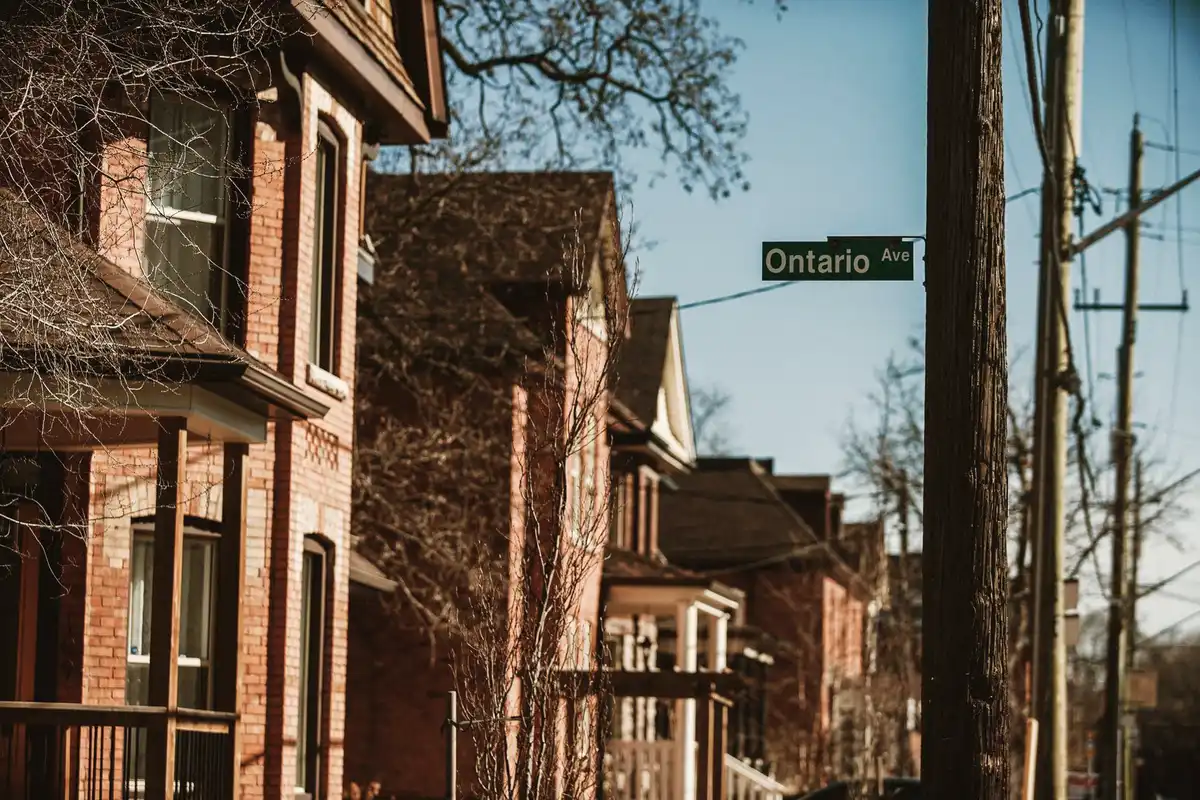
Housing here works a little differently. Tell us your status and how long you've been here, and we'll show you where you stand.
$40,000
Most you can put into an FHSA over your lifetime
Save up to $8,000 a year, to $40,000 in total. What you put in comes off your taxable income, and the money comes out tax-free when it buys your first home.
The most a landlord can raise most tenants' rent in 2027 without Landlord and Tenant Board approval. Does not cover units first occupied after November 15, 2018.
If your rent is $2,500 a month, the most it can rise in 2027 is $47.50, to $2,547.50. Your landlord has to wait at least 12 months since the last increase and give you 90 days' written notice.
Being new to Canada doesn't stop you from buying a home here. What matters is your immigration status, your income, your savings, and what a lender is comfortable with.
Citizens and permanent residents can buy. People on temporary status face extra rules, which we cover below. Lenders set their own tests, so ask two or three before you decide anything.
How to find out: gather your ID, your immigration papers, proof of income and your savings, then talk to a mortgage broker or a bank. Our mortgage partner can go through it with you.
Settle in. Sort out ID, a bank account and a phone number. Free newcomer services can help with the rest.
Rent a place you can afford. Most newcomers rent for a year or two first. You learn the city and start a credit file before you commit to a street. If your down payment and a lender are ready sooner, we'll say so.
Start a credit file. Lenders here look at a Canadian credit history. It builds from paying bills and credit on time.
Save toward a down payment. Registered accounts such as the FHSA can help, if you qualify.
Talk to us when you're ready. Our first question is your immigration status and how long you've been here. That tells us what you can buy and which lender rules apply. No pressure either way.
04
Rules that apply to you
Two sets of rules can apply if you aren't a Canadian citizen or permanent resident.
One is federal and one is Ontario's. Both pages below were checked on October 13, 2026, and the rules can change, so read the source before you act.
The federal ban
Under the Prohibition on the Purchase of Residential Property by Non-Canadians Act, people who aren't citizens or permanent residents, and foreign commercial enterprises, can't buy residential property. The Department of Finance extended the ban to January 1, 2027. We found no later extension on the official pages, so check before you rely on the end date.
Exceptions
The exceptions are listed in the regulations. A work permit with 183 days or more of validity left on the day you buy can qualify, for one residential property only. An international student can also qualify, with a price of no more than $500,000, tax returns filed and 244 days in Canada in each of the five years before the purchase year, and one property only. Other exceptions cover inheritance, divorce, a gift, refugee claimants and diplomats.
Ontario's tax on foreign buyers
Ontario's Non-Resident Speculation Tax (NRST) is 25% for foreign nationals and foreign corporations on homes with one to six single-family residences, since October 25, 2022. Nominees of the Ontario Immigrant Nominee Program and people with refugee protection can be exempt, and they must move in within 60 days of registration. Become a permanent resident within four years of registration and you may be able to claim a rebate.
We can't give legal or tax advice. A real estate lawyer will tell you which rule applies to your purchase, and we're glad to work with yours.
A first home in a new country, one step at a time.06
Plan the move itself
Setting up a home in a new country means a long list of firsts.
Moving Checklist is our own guided plan for the move, from an accepted offer to keys in hand. As our client you get a private link on your phone, with nothing to install. It lists the hydro, gas, internet and address changes for the town you are moving to, and for renters the tenant insurance and landlord notice steps, in the right order.
MovingChecklist
Built in house by TanTeam
Moving Checklist
Owned and independently managed by us.
A calm, guided plan from accepted offer to keys in hand, with the team's name on every step.
I have no Canadian credit history. Can I still get a mortgage?
Often yes, but it depends on the lender. Canada's two main credit bureaus, Equifax and TransUnion, only track credit activity in Canada, so your file here starts from zero when you arrive.
Some lenders say they look past credit history at other things, like your income, your job and your savings. We can't promise approval, and rules differ from lender to lender. Our mortgage partner can tell you where you stand.
Payment history is the biggest part of your credit score. Pay your bills on time, keep card balances low, and keep accounts open and active over time. A secured credit card, where your own deposit backs the limit, is one starting point the government lists for people with no history.
Checking your own credit report or score doesn't lower it. Both bureaus let you see your report for free online.
Many newcomers rent for a year or two. You learn which neighbourhood suits your commute and your family, you start a credit file, and you save without a rush.
Some people do buy sooner, especially when a down payment is ready and a lender is comfortable. It's your timeline. If you tell us yours, we'll say honestly whether buying now or renting first looks better on your numbers.
Three worth knowing. The Home Buyers' Plan lets you borrow up to $60,000 from your RRSPs toward a first home. The FHSA lets you save up to $8,000 a year, to $40,000 in total. Ontario's land transfer tax refund pays up to $4,000 to eligible first-time buyers.
Each program has its own test for who counts as a first-time buyer and who is eligible. The details matter, so read the government page for each one, then ask us to walk through how it applies to you.
The minimum is 5% of the first $500,000 of the price, plus 10% of the part above that, up to $1.5 million. Homes priced above that need 20% down. Put down less than 20% and the mortgage usually carries default insurance.
Those are minimums. A lender may ask for more, and you'll want cash on top for closing costs.
For a lender, expect to show who you are, where you live, how you earn and where your down payment came from. That usually means ID, proof of your immigration status, recent pay or employment letters, bank statements and, once you've filed, your tax records.
Lenders differ on what they ask for, so check with yours early. For renting, landlords commonly ask for ID, proof of income and references. Bring what you have and tell the landlord what you don't.
Start with what you can't change: your commute, your schools, and the community you want nearby, such as a place of worship, shops or family. Then compare streets at different times of day.
Visit on a weekday morning and on a weekend. Walk it. Ask the people who live there what they'd change. We know the Milton and wider GTA pockets well and can tell you who tends to love each.
Most rentals are covered by Ontario's Residential Tenancies Act. For most units, the yearly rent increase guideline is 1.9% for 2027. The guideline doesn't cover units first occupied after November 15, 2018.
The Landlord and Tenant Board handles disputes between tenants and landlords. Read the Ontario page on your rights before you sign a lease.
Our mortgage partner can run the numbers with you.
A mortgage broker compares lenders for you. A bank speaks for itself. Talking to both is fine.
How do I know a real estate agent is legitimate?
In Ontario, agents must be registered with the Real Estate Council of Ontario. RECO has a search tool, and plain guides on what to know before you sign anything with an agent.
Take your time on any contract. A good agent will explain every page, and will not rush you.
The federal government publishes a multilingual welcome guide, and newcomer service agencies near you can point you to help in many languages. Ask us too: tell us which language you're most comfortable in and we'll tell you honestly what we can offer.
Fifteen minutes on the phone or on video. No script, no pressure.
Market's Edge
The monthly read from TanTeam.
Get the monthly update by email. The month in review for buyers, sellers, investors, landlords and commercial, area numbers, rule changes, the next rate date and mortgage notes.
Before you go
Fifteen minutes with the team, whenever you are ready.
A call, a question, a second opinion on a listing. We will tell you the next step and leave the rest to you.
Kai Min, Peng Hock Tan, Ola Akinyemi · Royal LePage Meadowtowne · 647-657-8589
Market's Edge
The monthly read from TanTeam.
Get the monthly update by email. The month in review for buyers, sellers, investors, landlords and commercial, area numbers, rule changes, the next rate date and mortgage notes.