Power of sale in the GTA: what is changing and what it means for you
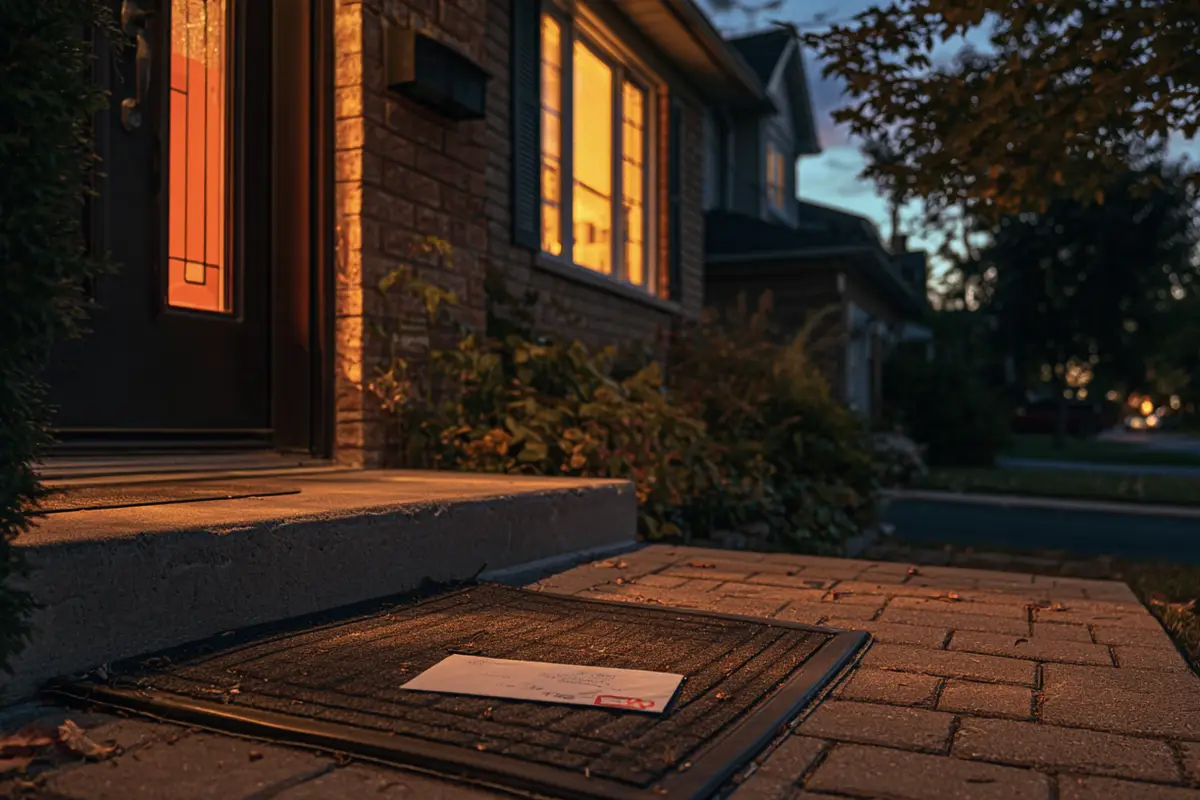
Picture a homeowner in Brampton. She bought in 2021, locked in a low rate for five years, and for a long time the mortgage felt like the easiest bill she paid. Then the renewal letter arrives. The new payment is a lot higher than the old one. She tells herself she will manage, covers it for a few months, then a few more, and somewhere in there the budget quietly stops adding up.
This is a composite scene, not a real person, but the shape of it is familiar to anyone who has watched the last few years of rate changes play out. A growing number of Ontario households are living some version of it right now, and it helps explain why the words "power of sale" are showing up more often in conversations about the GTA market.
This article walks through what the numbers say, how a power of sale actually works in Ontario, and what it can mean depending on where you sit: a homeowner under pressure, a buyer curious about these homes, or an investor looking at the market.
WHAT THE NUMBERS SAY
Start with the big picture, which is calmer than the headlines suggest. According to the Canada Mortgage and Housing Corporation (CMHC), Ontario mortgage arrears reached 0.32% in the second quarter of 2026. That is still a small share of all mortgages. But CMHC said in its October 27, 2026 news release that arrears are expected to keep rising through mid-2027, and that Ontario is seeing the largest increase in the country.
Desjardins made a similar point in July 2026: Ontario used to have the lowest arrears rate in Canada, and has now moved above the national average.
The Canadian Bankers Association reports that 14,061 bank mortgages were 90 or more days past due in May 2026, the highest count in more than a decade. The national rate was 0.29%, which is still near historic lows. Both things are true at once. Most borrowers are keeping up, and the count of those who are not is the highest it has been in years.
Why now? Renewals are a big part of the story. CIBC has estimated that payment jumps of more than 40% will hit 5 to 6% of outstanding mortgages in 2026. And the Bank of Canada has said that around 10% of Toronto mortgage holders could have trouble refinancing in 2027, as reported by CTV. Those are estimates about risk, not predictions about any one household, but they show where the pressure is building.
Closer to home, insauga reported that as of October 8, 2026, Brampton had 406 new power of sale listings this year, compared with 203 in Mississauga. Those two cities sit side by side, which is a reminder that the story is not the same on every street.
Meanwhile, the broader resale market has been softer. The Toronto Regional Real Estate Board (TRREB) reported 5,603 sales in October 2026, down 7.9% from a year earlier. The average selling price was $1,024,108, down 2.7%, and the MLS Home Price Index composite benchmark was down 4.3%. Fewer sales and slightly lower prices mean less cushion for anyone who needs to sell in a hurry.
"When people hear power of sale, they often picture a sudden event," says Kai, Licensed Sales Representative with Royal LePage Meadowtowne Realty. "It is usually the end of a long, quiet stretch where a homeowner was trying to make the numbers work. Understanding the steps early gives people more room to make a choice."
HOW A POWER OF SALE WORKS IN ONTARIO
A power of sale is a way for a mortgage lender to sell a property when the borrower has fallen behind, without going through the longer court process. In Ontario it is governed by the Mortgages Act, and the steps are fairly clear.
First, the borrower has to be in default for at least 15 days before the lender can send a notice of sale. After that notice, there is a minimum 35-day redemption period. During that window, the owner can stop the process by paying the arrears plus the lender's costs. That right continues right up until a firm sale is in place. From the first missed payment to a completed sale, the whole process commonly takes about three months, though every file moves at its own pace.
When the home sells, the money is applied in order. The first mortgage lender is paid first, then any other lenders behind them, and whatever is left, if anything, goes to the owner.
One point matters for everyone reading: the lender has a duty to take reasonable care to get fair market value for the home. These are not fire sales. The lender is not meant to give the property away. That is why power of sale homes are usually listed on the open market, often by a real estate agent, in much the same way as any other home.
WHAT IT CAN MEAN FOR HOMEOWNERS UNDER PRESSURE
If the scene at the top of this article sounds uncomfortably close to your own situation, the most useful thing to know is that time is the one thing you have more of at the start than at the end.
In general, a homeowner who chooses to sell early, while there is still room in the timeline, often keeps more equity than one who waits until a lender takes over the sale. You control the timing, the preparation, the price discussion and the showings. In a power of sale, the lender controls those things, and the legal and carrying costs come out of the proceeds.
That does not mean selling is the right answer for everyone. For some households, talking with the lender about options, or speaking with a mortgage professional or a lawyer, is the better first step. This article is general information, not financial or legal advice, and your own situation deserves a conversation with people qualified to advise on it.
"The homeowners I worry about are not the ones who call early," says Kai. "They are the ones who wait because they are embarrassed, or because they hope the next month will look different. A calm conversation about your options costs nothing, and it keeps more doors open."
WHAT IT CAN MEAN FOR BUYERS
If you are a buyer, power of sale homes can be worth a look, but it helps to set your expectations before you go.
Because the lender must take reasonable care to get fair market value, these homes are usually priced in line with the market rather than far below it. You should not expect a steep discount, and in a competitive pocket a well-priced property can still draw plenty of interest.
There are other differences too. Power of sale homes are generally sold as is, with a lender's schedule attached to the offer. The lender typically has not lived in the home and may not be able to speak to its condition or history. Inspections, financing conditions and timelines can look different from a standard resale.
That is why a buyer needs a real estate lawyer who knows these deals, and an agent who has walked through them before. The paperwork is not the place to learn as you go.
"A power of sale is still just a home with a particular kind of seller," says Kai. "The home still has to work for you, at a price that makes sense, and the process still has to be done carefully. I would rather someone walk away from one than rush into it."
WHAT IT CAN MEAN FOR INVESTORS
Investors tend to see these listings differently. For some, a power of sale home is simply another source of inventory to evaluate, with the same questions as any other purchase: what does the property need, what will it rent for, and does the maths hold up at today's rates?
The same rules about condition and price apply. Fair market value means these are not automatic opportunities, and an as is sale puts the work of due diligence squarely on the buyer. An investor who tracks listings across several cities, such as Brampton and Mississauga, can see how different the local patterns are, which helps in deciding where to focus.
It also helps to remember that any investor buying in a market with rising arrears is buying in a market where prices are softer and sales are slower. That can mean more choice and more time to think. It can also mean that holding costs and renovation estimates deserve extra care.
A CLOSER LOOK
Power of sale sounds dramatic, but underneath it is a legal process with clear steps, real timelines and a duty on the lender to act fairly. The more people understand those steps, the less frightening the phrase becomes, whether they are living through it, shopping around it or simply watching their neighbourhood.
If you would like to see the picture for yourself, power of sale homes are listed by city on our dedicated site, along with a plain-language explanation of how the process works. For a closer look at power of sale homes by city, visit gtaforeclosures.com.
And if you are somewhere in the middle of this, wondering about a renewal, a neighbour's listing, or a home you have been watching, it may be worth asking yourself one simple question: what would you want to know now that you would wish you had known in three months? Sometimes the best next step is just a conversation with someone who has seen how these situations unfold, and who will tell you the truth about them.